

Protestors Shut Down Brooklyn’s Largest Casino As Flood Waters Rise
Protestors flooded the opulent gold-plated entrance of the Kushner Casino in Brooklyn this morning, covering the lobby with old mattresses. They also pulled the electronic gambling “pokies” out of the casino and stacked them in the streets before returning inside to occupy the building. They have occupied the casino since yesterday, effectively shutting it down. In a scene echoing the city’s long history of tenant activism, this dramatic action comes as rising floodwaters threaten the city yet again with Monday’s predicted superstorm, highlighting the growing discontent with the climate-resilient corporate city in contrast with the city’s housing shortage and crumbling infrastructure for working-class New Yorkers.
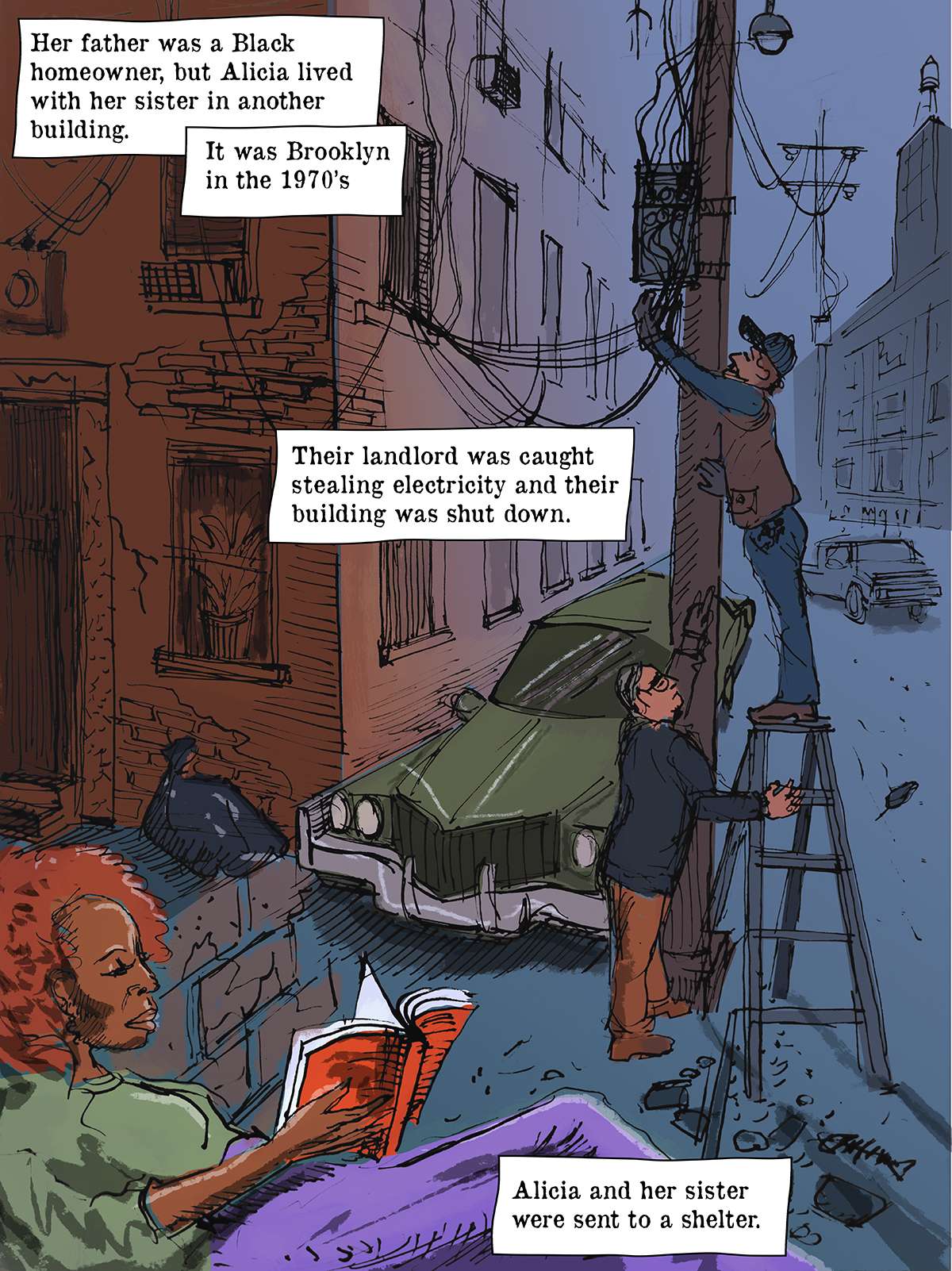
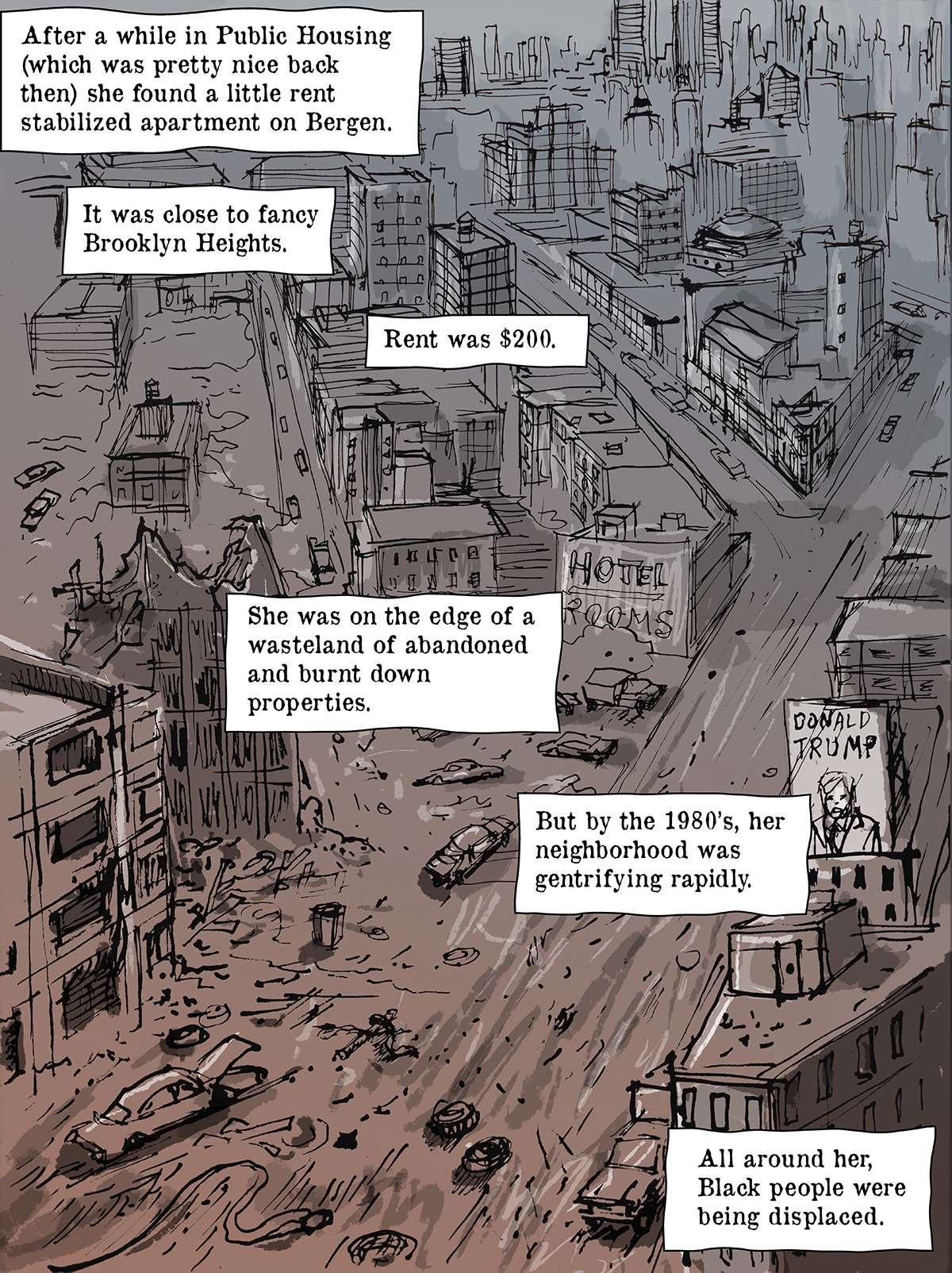
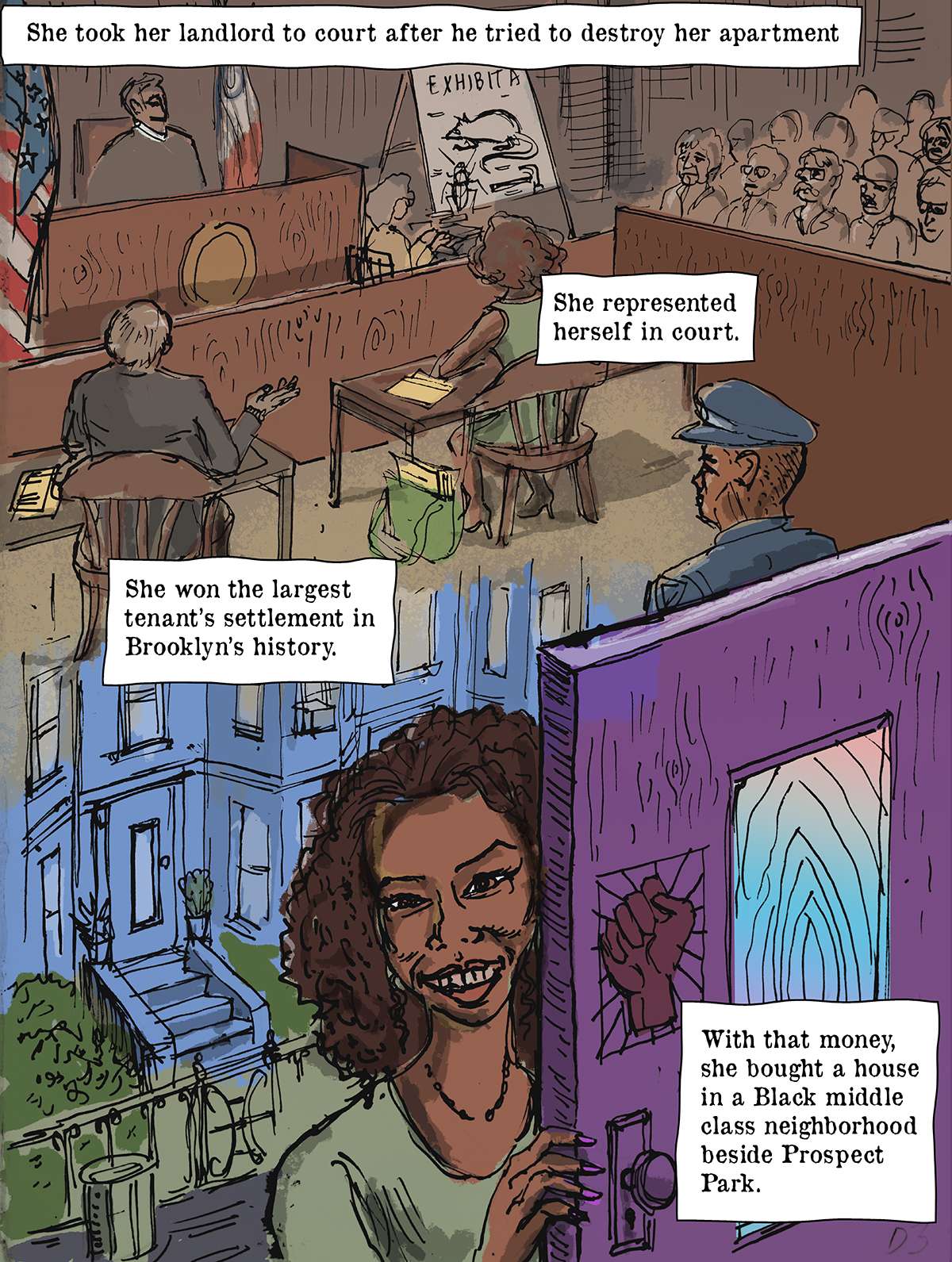
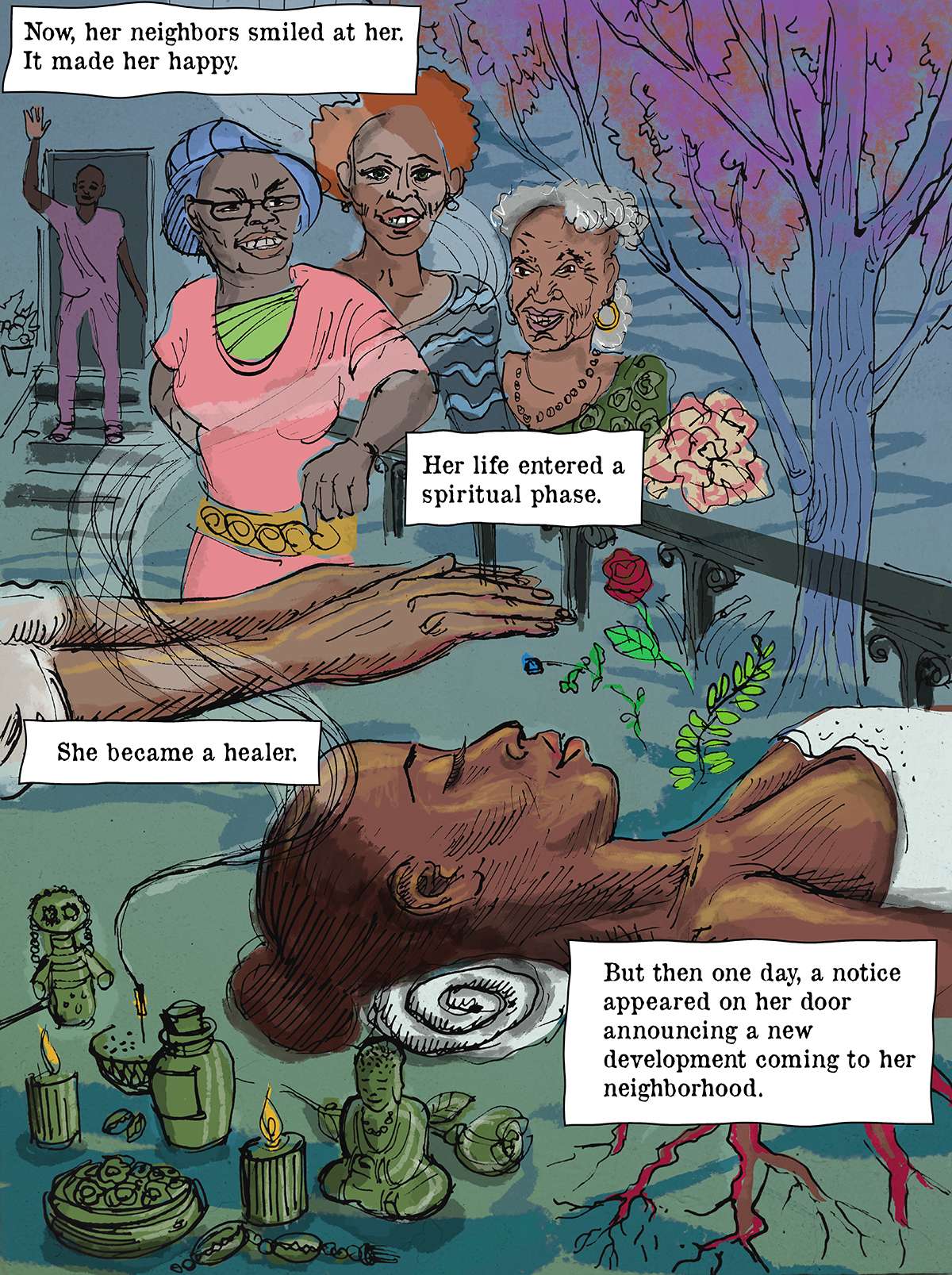
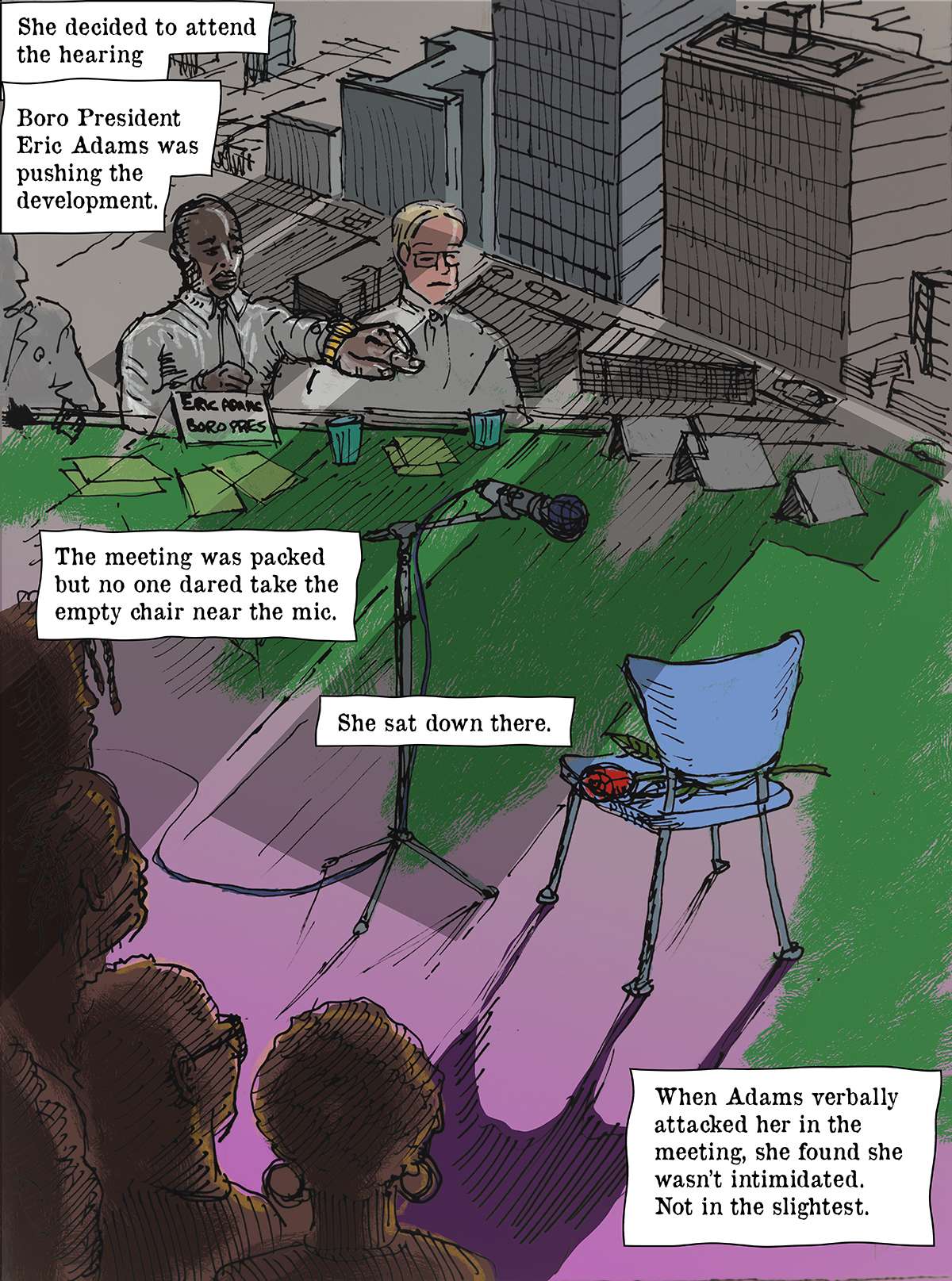
The occupation of the Kushners, once a symbol of the unchecked power of the billionaire class of NYC real estate moguls, marks a turning point for the resurgent tenant movement. Alicia Boyd, a veteran activist whose fight against predatory developers stretches back six decades, addressed the crowd gathered outside the casino. “The People have finally woken up!” she declared, her voice hoarse but resolute. “These mega-casinos, built on the backs of our communities, represent everything that’s wrong with this city. And now that we’ve shut it down, we’re not letting it open ever again.”
The casinos built ten years ago in Manhattan, Queens, Bronx, and Brooklyn promised a glittering future filled with green spaces, revitalized neighborhoods, and most of all, substantial tax revenue. Instead, they became epicenters of crime and misery, mirroring the city’s descent into a landscape dominated by dispossessed renters as the housing crisis deepened, and corruption left little profit for the city’s coffers.
Blackstone and other real estate giants had, in the years leading up to the Great Collapse, transformed New York into a renter’s nightmare. Affordable housing vanished, replaced by micro-apartments built at the height of the YIMBY (Yes In My Backyard) frenzy. These shoebox dwellings, often no bigger than 200 square feet and commanding exorbitant rents, were peddled as the solution to the city’s housing crisis.
The 2030s witnessed the collapse of the housing market, leaving countless New Yorkers trapped in overpriced, undersized boxes. The casinos, once touted as beacons of urban renewal, reprised their traditional role as havens for organized crime. “Eventually the truth comes crashing down,” says Boyd. “And the truth was that all that building was never to benefit the people of New York, and certainly not Black people.”
This latest uprising by tenants builds upon a rich history of rent strikes in New York City. The movement had lost its teeth in the 2020s, with the pandemic-era eviction moratoriums ending and landlords wielding what activists claim is fabricated vacancy data to justify the unfettered construction of luxury high-rises. But the tide has turned. The fight for the city’s soul is back in the hands of the people. The protestors currently occupying the Kushner stand defiant, demanding not just a roof over their heads, but a city that prioritizes its residents over profit.