





Chinatown’s “Jailscraper” Falls
Inmates Secure Victory After Month-Long Protest, City Announces Plans for Transformative Re-Use
In a groundbreaking move, New York City has agreed to permanently close the infamous “jailscraper” in Chinatown, following a month-long hunger strike by inmates that brought national attention to the facility’s deplorable conditions. The city will convert the imposing high-rise into supportive housing units, marking a significant policy shift—a shift forced by decades of protest, culminating in a hunger strike.
The hunger strike, which began on May 1st, 2044, shone a spotlight on the jailscraper’s harsh realities.”It was all shiny steel and glass and mural-skins from the outside,” stated Tyree Williams, one of the leading hunger strikers, “but inside, it was like living in a nightmare.” Many inmates reported inadequate heating and air conditioning, with the city’s cost-cutting measures leading to the replacement of correctional officers with malfunctioning robotic assistants for food service and basic checks. These robots, plagued by glitches and software bugs, often failed to deliver meals, leaving inmates hungry and frustrated.
This victory culminates over two decades of the Black and Asian solidarity movement. Both inside and outside the prison system, these groups have relentlessly protested the jailscraper’s existence since its controversial construction in the late 2020s. Last year, a more radical faction within these groups, known as the Phantom Abolitionists, managed to stage a daring escape for three inmates locked up in the tower and hack into the NYPD’s supposedly impenetrable computer system, exposing security vulnerabilities and highlighting the facility’s inherent flaws.
Supportive Housing, But Questions Remain
The Mayor Nurses’ plan for the repurposed facility centers around creating supportive housing units for individuals struggling with addiction, mental health challenges, the elderly, and those experiencing homelessness.
While some residents welcome the move, concerns linger. “Sure, the conditions were terrible in there,” says Henry Cheng, who owns a bakery across the street from the jailscraper, “but putting those struggling with addiction right next to families and kids? I don’t know about that.”
Local community board member Maria Rodriguez echoes these concerns. “We need to support our most vulnerable, but we also need to ensure the safety of our existing residents. The city needs to have a comprehensive plan for social services and security measures in place before anyone moves in.”
A Deeper Fight
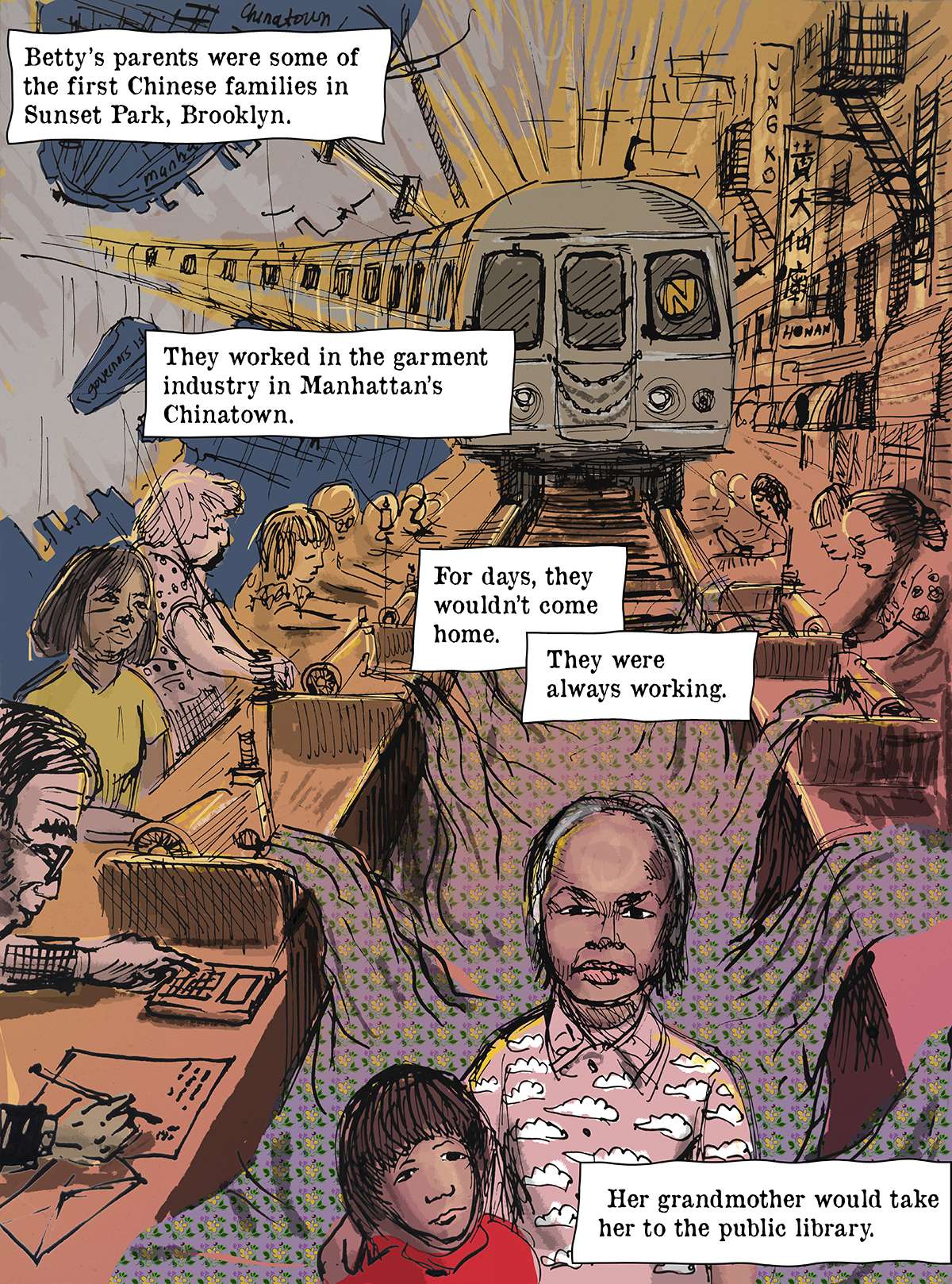
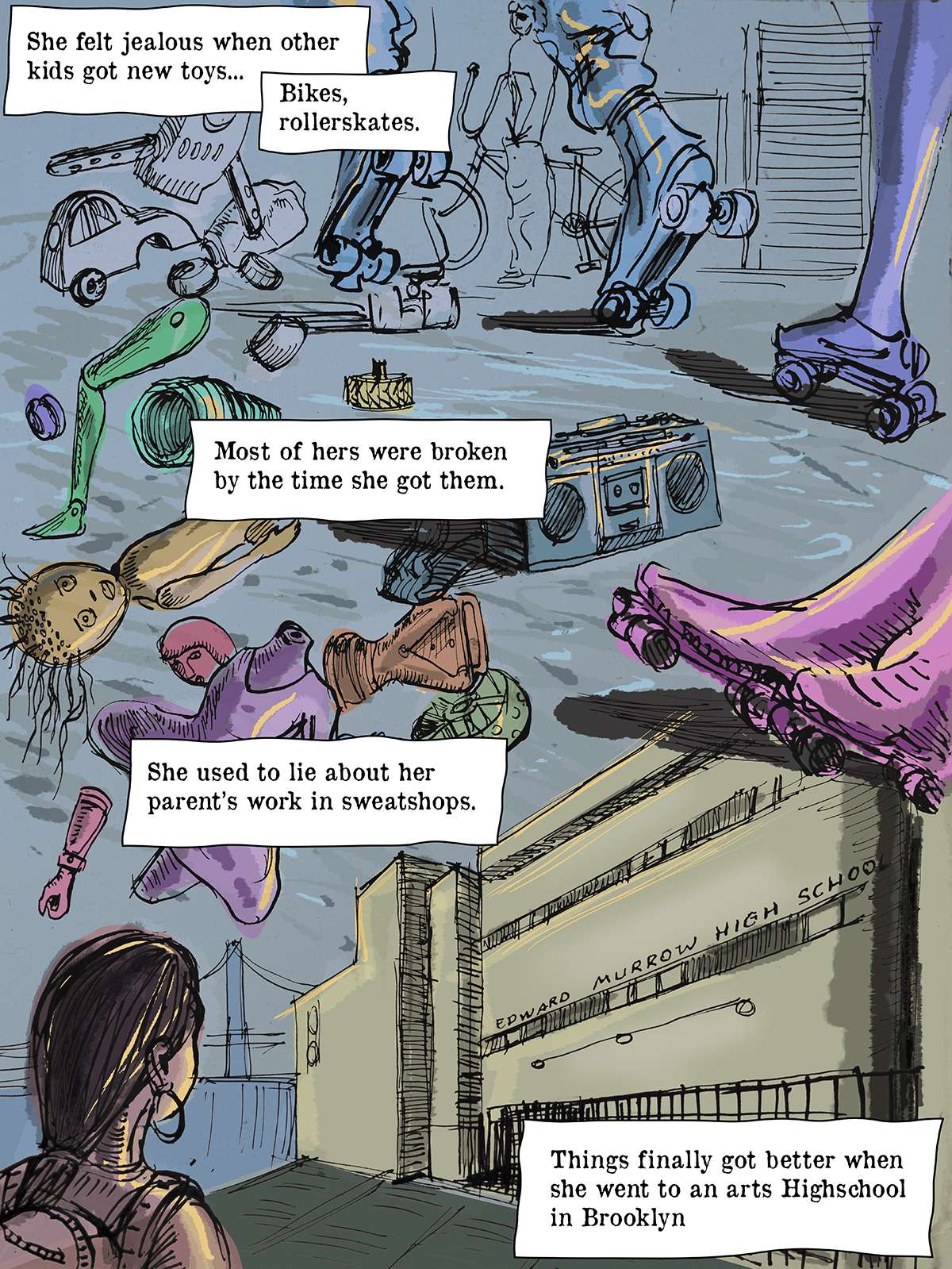
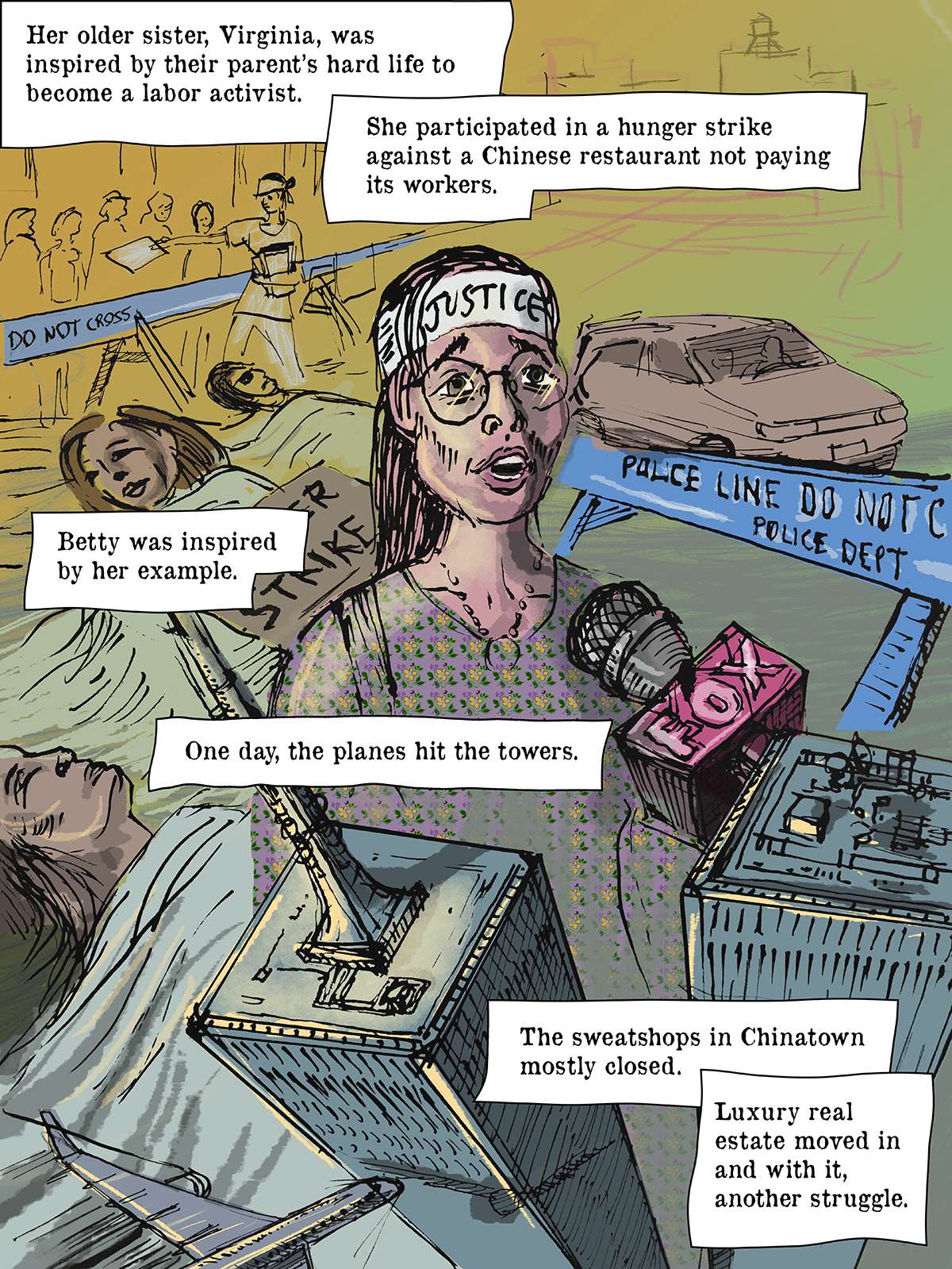
“The jailscraper has been a highly visible symbol of a broken carceral system for too long, and frankly, we should never have built it,” confided a veteran city official who spoke on condition of anonymity. Longtime Chinatown activist Betty Yu sees a deeper connection between the fight against the jailscraper and the ongoing struggle for affordable housing in Chinatown. “Our fight against the city’s displacement of working-class residents is the same as the fight against this jail,” she argues. “Both are fueled by the same system that profits off mass incarceration and the marginalization of communities of color.” Yu believes this victory demonstrates the power of abolitionist movements that go beyond simply ending incarceration, but rather focus on reallocating resources towards building a more just and supportive society.