





Finally Catching Up To New Jersey
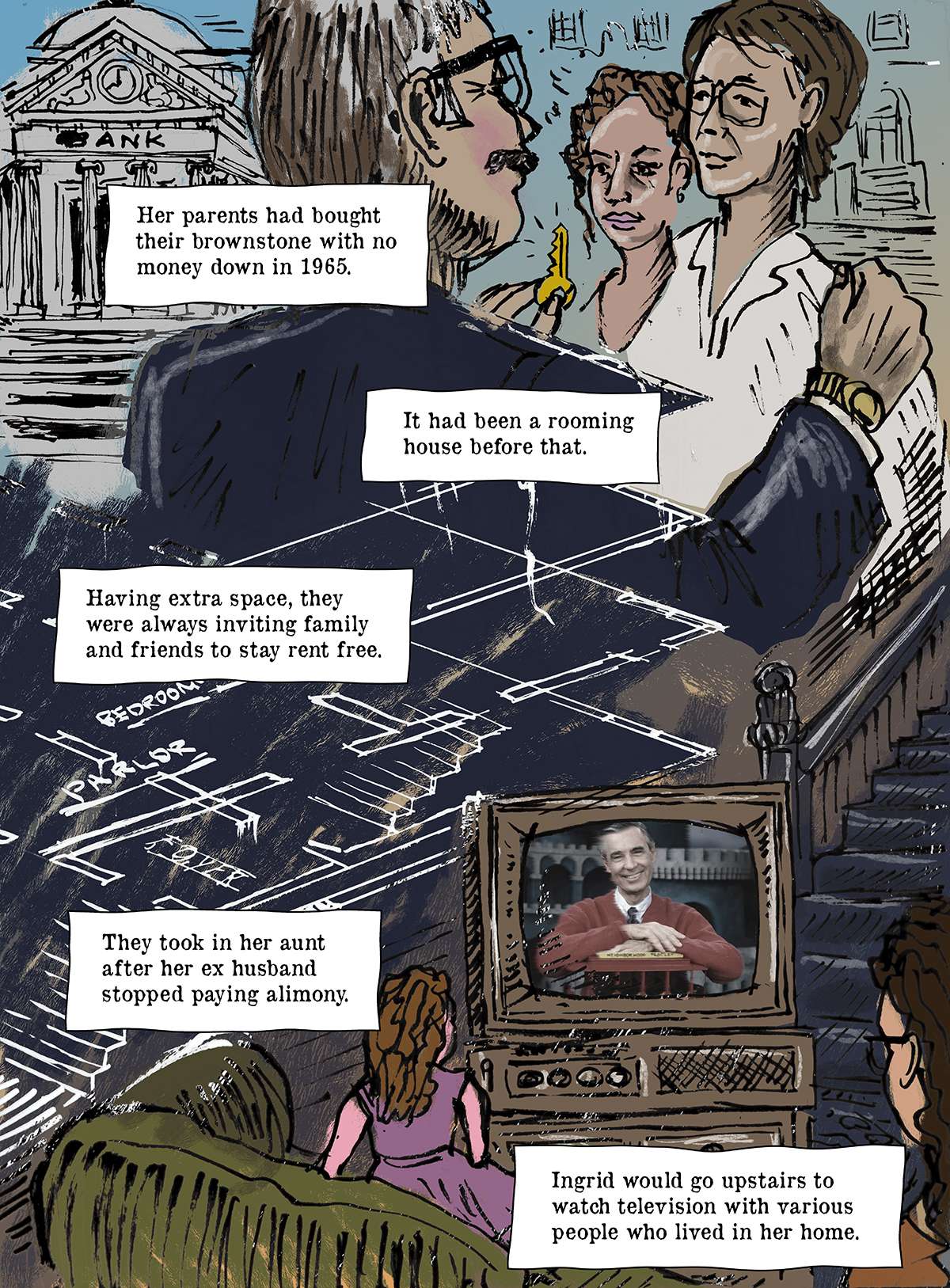
Blanche Rootbeam’s morning coffee routine has taken on a new dimension. Every day, 70-year-old Rootbeam shares a cup with Anala Babu, her 22-year-old neighbor, who, along with her girlfriend Sally, lives in the charming green-roofed tiny house in Blanche’s brownstone’s backyard. Across the street, a newly constructed five-story hanging garden stands proudly, offering a mix of affordable housing and ground-floor retail. This scene, once a distant dream, is now a reality across New York City, a testament to the success of the Fair Share Housing initiative.
The program, passed twelve years ago, faced fierce opposition from homeowners and low-density neighborhood groups. Fears of crowded streets and a diminished quality of life ran rampant. Yet, here we are, with every neighbourhood and county in New York State surpassing its housing goals.
A Mix of Options, Not a Monolith
The additional housing units arrived in a variety of forms, seamlessly integrating into the existing urban fabric. Office conversions with Lighttech systems bringing natural light into their cores provided additional living space, while modest and micro-sized new constructions clustered around public transit hubs offered convenient and affordable options. Additionally, accessory dwelling units, like Blanche’s charming backyard haven, have sprung up everywhere, fostering a sense of community as neighbours exist more intimately in NYC spaces, and offering a unique opportunity for young people like Anala and Sally to engage with the wisdom of elders.
Reaching the Finish Line: A Long Road Paved with Compromise
The road to achieving these goals was arduous. Fair Share faced legal hurdles and fierce public resistance for years. Homeowners worried about property values, and low-density neighborhoods feared losing their character. This resistance mirrored the struggles faced by New Jersey’s Mount Laurel Doctrine, a 1975 court ruling that mandated municipalities promote affordable housing options.
However, by 2023, the housing crisis reached a boiling point, forcing New York City Council members to act. New Jersey offered a blueprint for success. Governor Phil Murphy’s approach, which allowed developers to bypass zoning restrictions if 20% of their units were designated affordable, paved the way. New York, grappling with a deeper crisis, mandated a steeper target of 75% affordability.
Crucially, the law wasn’t a top-down decree. It struck a balance between the Robert Moses model, where centralized authority dictated building mandates, and the Jane Jacobs approach, which empowered communities to shape their own development.
A City for All
Across the street from Blanche’s brownstone, the new building houses immigrant families newly arrived in the city, refugees from the last superstorm. It houses young professionals, retirees, and a formerly homeless person, all contributing to the diverse tapestry of the city. As Anala sips her coffee, she reflects, “I’ve always heard people say New York was much cooler back in the 70s and 80s, but this neighbourhood feels alive to me, Blanche. It feels like home.”