



“The Pink Elephant in the Room” for Korean Community
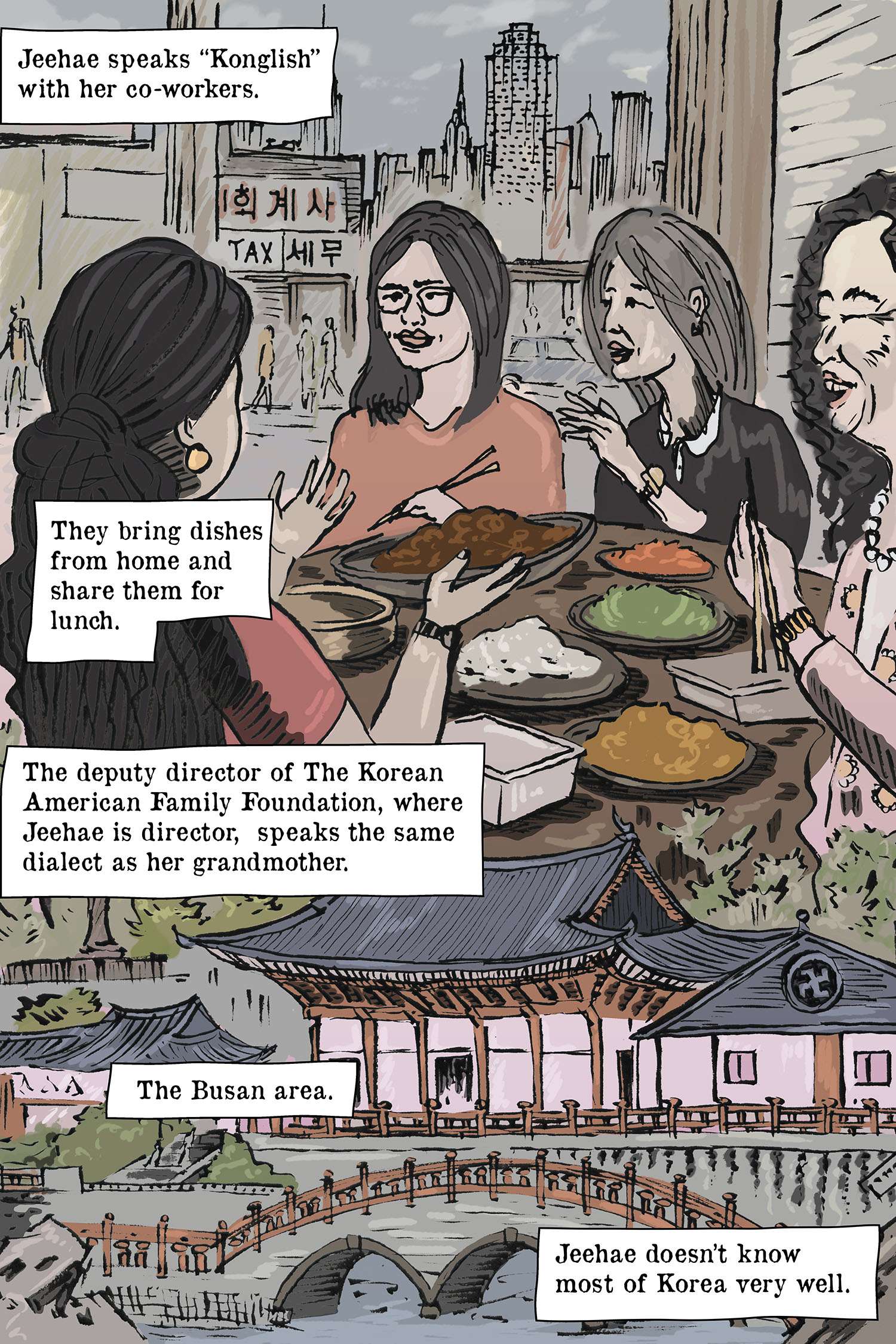
Jeehae Fischer walks into the room with a broad smile, sits down on her crystal-clear hover couch, and the audience erupts as she announces her latest guest: Senator Min-Ji Kim. The two women take out containers of home-cooked Korean food and proceed to chat as they share dishes. Some of Jeehae’s viewers project the holographic show into their own living rooms, and others log in to the holo audience. The Pink Elephant in the Room has become more than just a platform for discussion—it’s a cultural movement that is strengthening and healing the rifts in the Korean American community, and it’s inspired similar Chinese, Ghanaian, Jamaican, and Haitian shows.
The presence of Senator Min-Ji Kim, the first Korean American U.S. senator, highlighted the show’s growing influence. Jeehae delved deep into the tension between traditional Korean values and the evolving landscape of American society. Snippets from the show ricocheted through neural interfaces, even building an intuitive collective mind moment, which sparked a nationwide debate on identity and belonging. For many, seeing a Korean American woman in such a powerful position brought a renewed sense of pride and possibility.
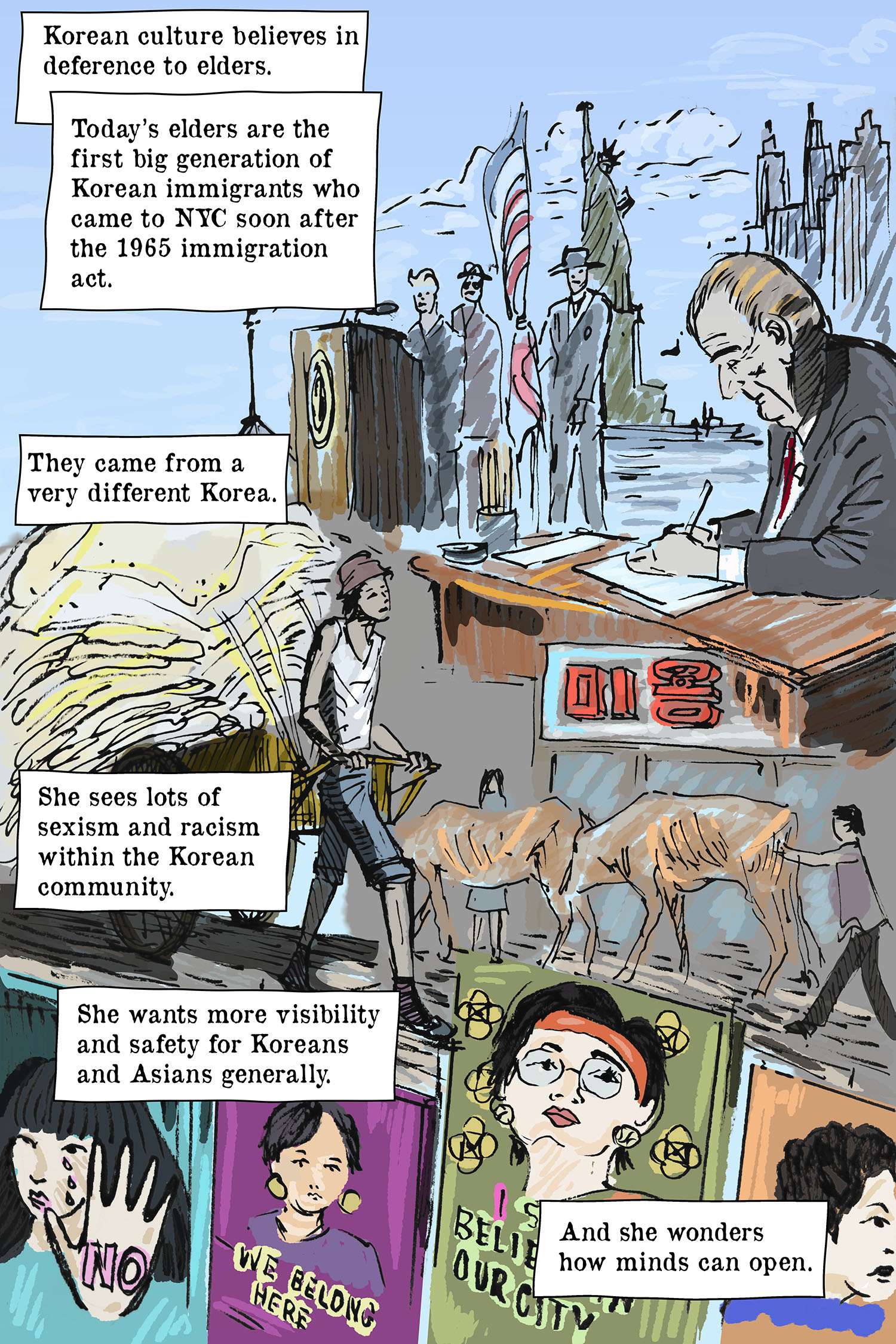
Fischer’s show, however, is not just about celebrating milestones. It’s about addressing the “pink elephants in the room”—the uncomfortable truths that often go unspoken in the Korean American community. From generational divides that have long existed in a community that immigrated from a divided country, to political polarization representing different alignments within US politics, to problems with gender-based violence and racism, Fischer uses her platform to respectfully challenge long-held beliefs and foster unity. The many shows inspired by Pink Elephant cumulatively represent a return to dialogue and interest in knitting together the patchwork of American Identity in a country that had been torn apart. Fischer’s decision to run the holographic show has also made waves in rural communities, where holograms are especially popular.
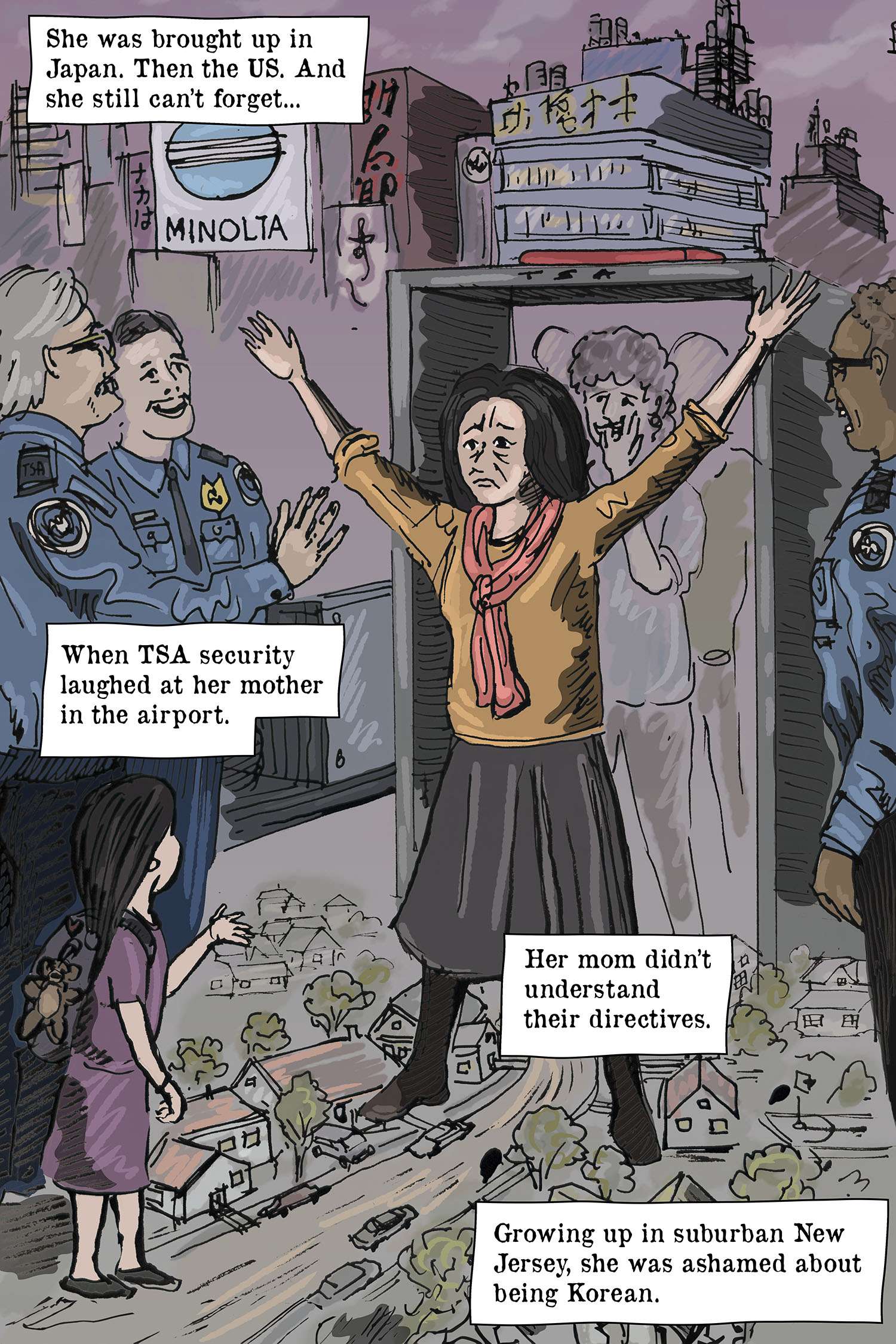
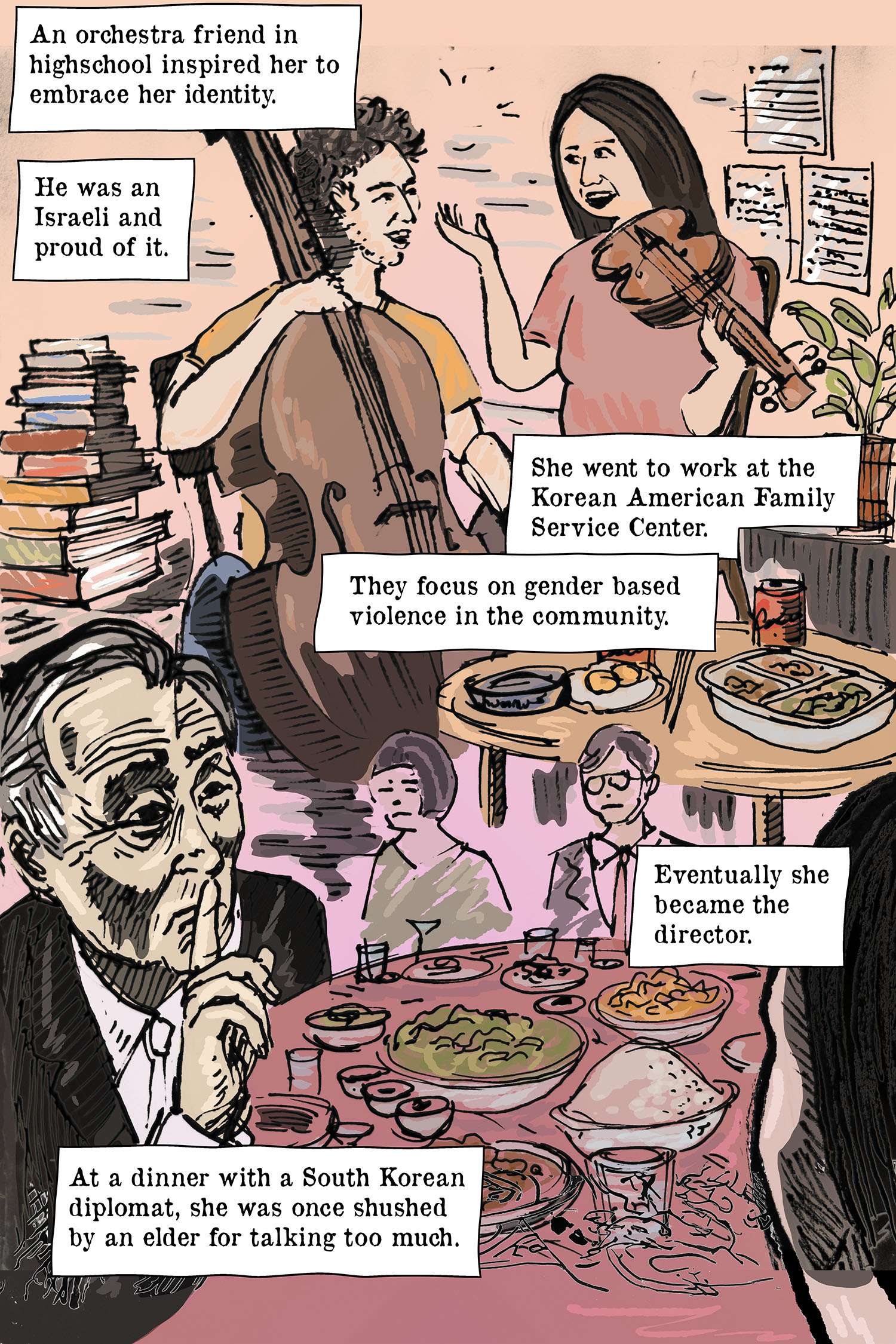
Growing up in Teaneck, New Jersey, in the early 1990s, Fischer struggled with her Korean identity. Her mother’s confusion at airport security and the humiliating laughter of the TSA agents became a painful symbol of her vulnerable status as an Asian immigrant. But a friendship with a Jewish Israeli classmate in high school inspired her to embrace her heritage rather than hide it. This turning point set Fischer on a path of self-discovery that eventually led to her work at the Korean American Family Service Center, where she focused on addressing gender-based violence.
Today, the Korean American community in New York City is more visible and vocal than ever before. Civic engagement, once a foreign concept to many first-generation immigrants, has become a defining feature. This shift is due in no small part to Fischer’s efforts to create a space where difficult conversations can happen—a space where differences are acknowledged, but common ground is sought.
The show’s popularity has risen as new federal immigration policies have shifted immigration away from the detention model and made the newly robust safety net available to even undocumented immigrants. Decades-long undocumented Korean community members have emerged from the shadows, and some have ended up on Jeehae’s crystal clear hover couch.