
Nycha Beats Bezos On Robot Lawsuit
In a David vs. Goliath court case, a public housing initiative in New York City has emerged victorious from a legal battle against Amazon Robotics. Project Helping Hands, a resident-led program that revolutionized—and many say, saved Section 9 public housing, has successfully defended its patent against the tech giant’s claims.
Twenty years ago, the idea of public housing residents developing cutting-edge robotics to maintain their deteriorating dwellings would not have occurred to many. But beginning in 2028, state-funded incubator programs began to train a new generation of young residents in engineering. Unused spaces in the projects were turned into maker labs, and Project Helping Hands was born from these labs. About seven years ago, just when section 9 housing was on its last legs due to chronic ballooning retrofitting and maintenance costs, the Helping Hands collective launched its first fully functional maintenance bot—a deceptively simple-looking contraption that rolled down the halls cleaning public spaces in the buildings. Nicknamed HH Prince of Clean, it also checked in on residents and could deliver food and medications as needed. The next year, it added elevator repair to its repertoire. What set the bot apart was its low cost despite a high performance rating, and the class and racial equity incorporated into the design. Within two years, the bot was manufactured and distributed to public housing around the city. A year later, the partnership with Viennese housing meant significant expansion.
But their success story almost became a tragedy. Amazon Robotics challenged Project Helping Hands’ patent on the cleaning bots, leaving residents feeling like they were up against an unbeatable foe, especially considering the many small players Amazon Robotics has been swallowing up in recent years as they compete with Apple and Google for a seamless smart-life experience. However, Judge Bragg broke their legal winning streak thanks to Helping Hand’s successful argument that their patent was filed as a niche application, specifically tailored to public housing—a field which Amazon has not previously dallied in. The niche application includes specifications for accessibility, safety, and security, as well as maintenance and upkeep that are also specific to the midcentury buildings the residents inhabit.
Project Helping has already made a remarkable impact. From their initial release, the robots tackled immediate maintenance needs that were too often unmet. Crime rates plummeted, and unlike other crime bots, which are so often perceived as hostile enforcers of inequity, residents accepted these machines into their community because they had been developed and programmed by their neighbors, and special precautions, including a stand-alone data network, were taken with the data collected. The improved living conditions have attracted new investment.
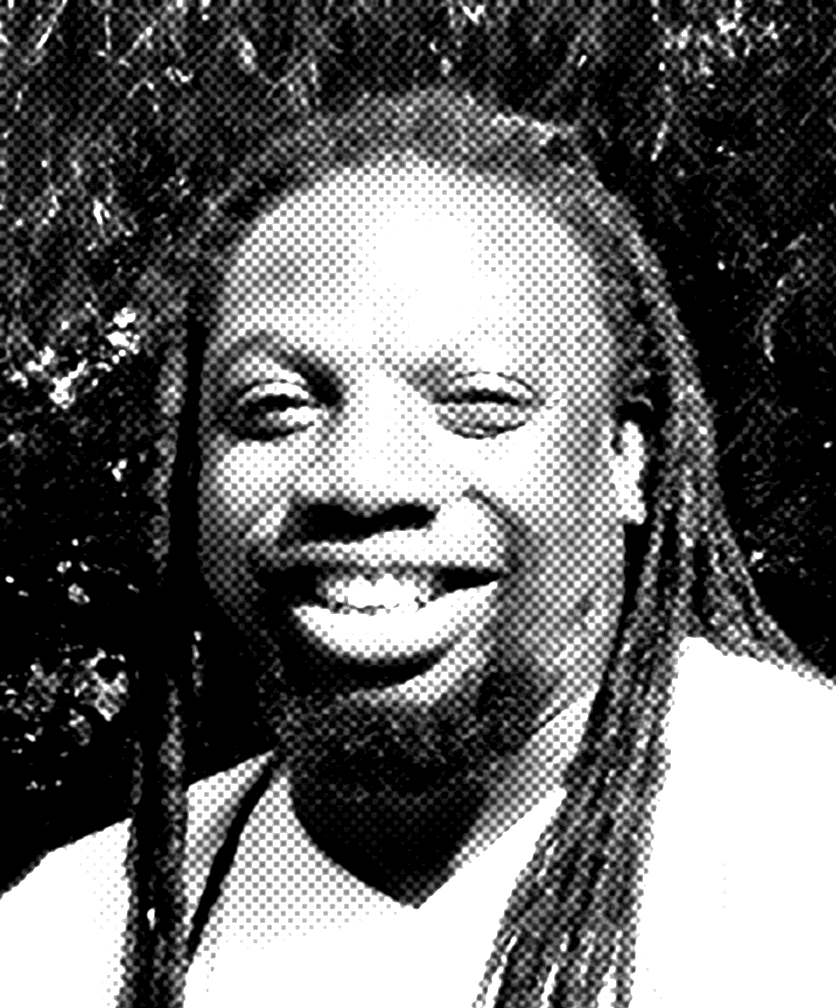
“They saw we had a good thing going, and they thought it should be theirs,” says Helping Hands co-founder Nira Kahn. “We showed them that they can’t take it. Nobody has the right to take our home away, and the same is true of our ideas.”