
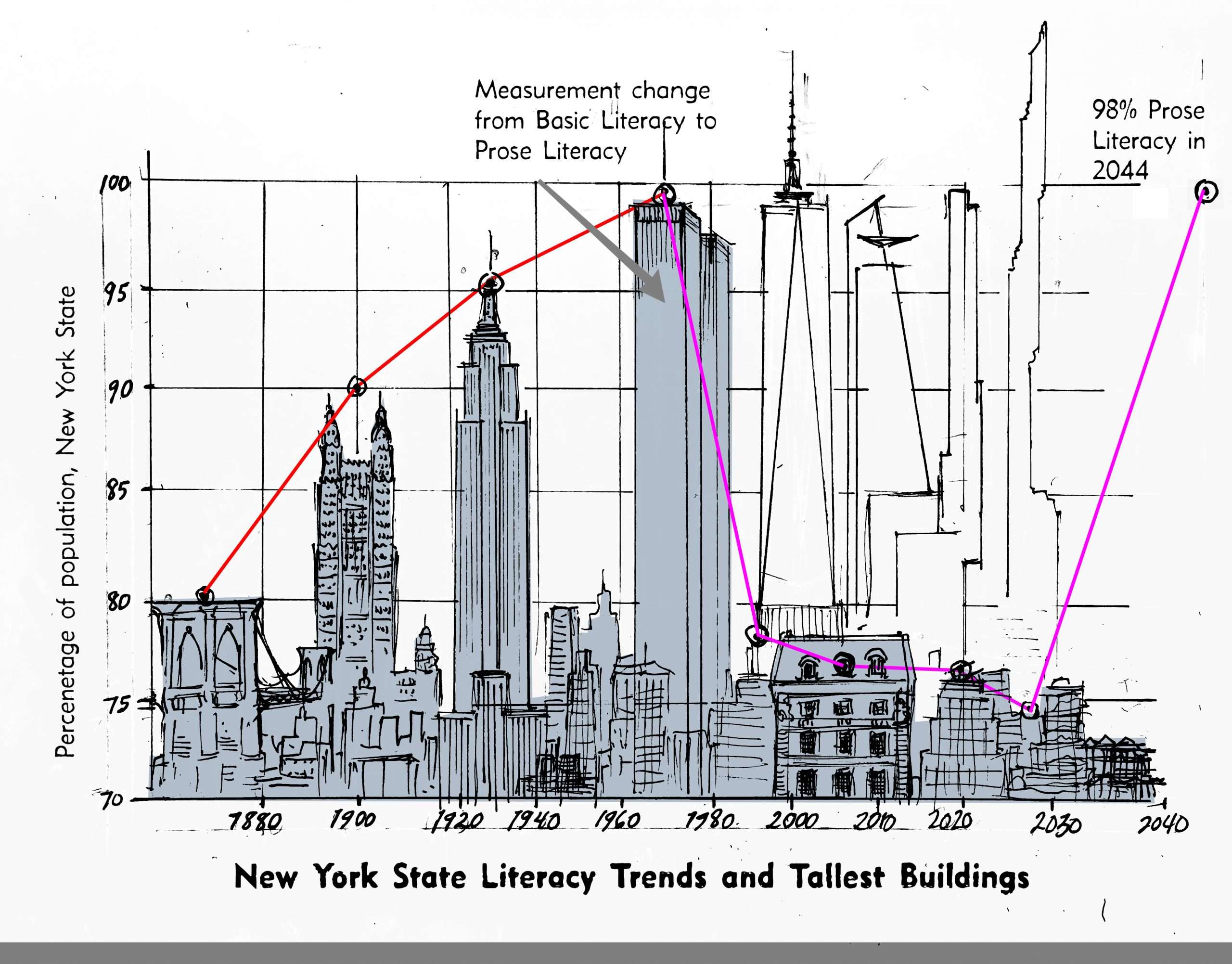
Just a few years ago, when national elections were sputtering back to life, the literacy crisis took center stage. Election officials realized that the reading challenges had grown so severe, and public opinion so easy to manipulate, that starting up the post-MAGA voting process might not be possible. Few places faced a crisis the size of New York state’s, which had suffered one of the worst adult literacy levels in the nation for decades.
Last week, unexpectedly, data indicated that New York now tops the nation in literacy rates. A surge of unrestricted philanthropic gifts to SUNY and CUNY is being credited with this massive shift — the result of a years-long donor campaign that brought some of the wealthiest New Yorkers into direct collaboration with public university leadership. It represents a strong bet on an idea long out of fashion: funding public higher education to save democratic life. Their initiative is called BrightWords.
BrightWords focuses specifically on adult literacy — aimed at the estimated one in five New Yorkers who have aged out of the K-12 system without reaching functional reading levels.
“Honestly, I’ve watched a hundred of these partnerships dissolve before they produced anything,” said SUNY Chancellor Adrienne Vassell. “What was different here was that the events of the last decade had scared people into a longer view. The donors had watched democracy stall. We had watched our students struggle to participate in it. For once, we were frightened by exactly the same thing.”
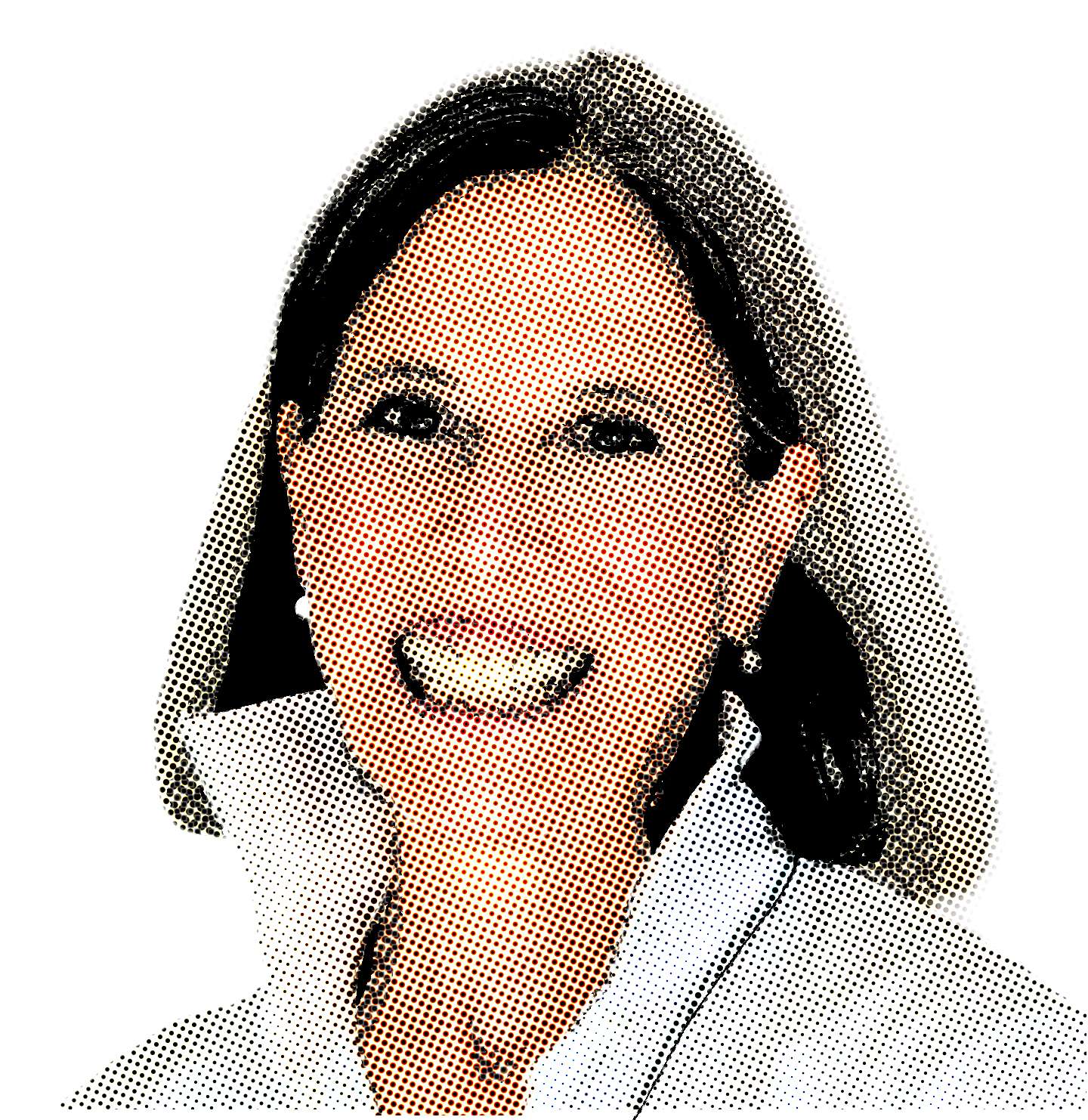
Vassell was joined by James Okafor, a third-generation real estate developer whose early eight-figure commitment seeded the venture, and whose frustration with a decade of ineffective philanthropic detours made him willing to give without conditions. Maya Osei, 54, vice president for advancement at SUNY Hudson Valley, was the connector.
In counties under Republican or oligarch control, ballots were redesigned with typefaces set to six points, candidate positions rendered in language lifted from administrative law — terms like notwithstanding the foregoing and provisional attestation of franchise exercise, where plain instructions had once been.
“People don’t often walk into a room and say: ‘I want to fund democracy,'” Osei said. “My role was to bring donors to the table to support the chancellor’s vision. The heavy lift was helping them see why the large public colleges needed time to make this work. We decided to do it quietly for a few years.”
The Crisis and the Case
New York had ranked 49th out of 50 states in adult literacy, with over 20% of adults unable to read at a functional level — a figure that had barely budged since 2026. That deficit made ballot manipulation a simple affair. In counties under Republican or oligarch control, ballots were redesigned with typefaces set to six points, candidate positions rendered in language lifted from administrative law — terms like notwithstanding the foregoing and provisional attestation of franchise exercise, where plain instructions had once been.

The literacy funding campaign — which had to expand well beyond Okafor’s founding $12 million — unfolded over roughly three years of what Osei calls “kitchen table conversations”: small dinners, site visits, one-on-one meetings. Osei worked with her mentor, veteran fundraiser Erica Marks, constantly refocusing on CUNY and SUNY’s vision.
Chancellor Vassell knew the first tool had to be data. The university system commissioned a statewide AI research ops mapping project through the Rockefeller Institute, cross-referencing adult literacy rates with voter turnout, emergency room utilization, and eviction rates by zip code. “We stopped talking about literacy as an educational problem,” Osei said. “We started talking about it as an infrastructure problem. A literacy gap is a tax on every other civic system.”
"You can't argue with a woman who says she read her lease for the first time at age 52," Osei said, "and realized she'd been paying for heat her landlord was legally required to provide."
But they had to show results to attract what would eventually become an additional before the remaining $40 million would come in. Pilot cohorts ran at SUNY Hudson Valley’s New Paltz campus and CUNY’s Hostos Community College — 12 weeks, 50 students each, free of charge. Several participants passed citizenship exams, registered to vote, and in two cases served as poll workers.
“You can’t argue with a woman who says she read her lease for the first time at age 52,” Osei said, “and realized she’d been paying for heat her landlord was legally required to provide.”
The first round of commitments totaled just under $30 million. “Unrestricted giving has long been the hardest ask and the most powerful tool,” said Marks. BrightWords embedded reading instruction in libraries, clinics, and workforce centers — places that low-literacy adults already trusted. Media literacy became a second pillar. And BrightWords placed SUNY and CUNY graduates in local newsrooms across the state, the fund covering each fellow’s first year.
“I was excited by the idea that the age of bad information had passed,” said Okafor. “It was time for information to get better — and that meant hands-on.”
"A literacy gap is a tax on every other civic system."
Attendance at adult education sessions nearly doubled within eighteen months. In the first elections following the program’s expansion, precincts with the heaviest program saturation showed the largest increases in completed ballot return rates.
“We are buying time,” Marks said. “The bet is that if people actually read the campaign literature, the research claims, the ballot, then we get on a solid track.”
“For a long time, the financially well-off and well-educated, the wealthy people in this city thought literacy was somebody else’s issue,” Osei said. “They started to see it was their issue too. The thing they were afraid of — the conspiracy mobs, the bad information, the civic breakdown — it wasn’t coming from nowhere. It was coming from a vacuum. And they could help fill it.”