

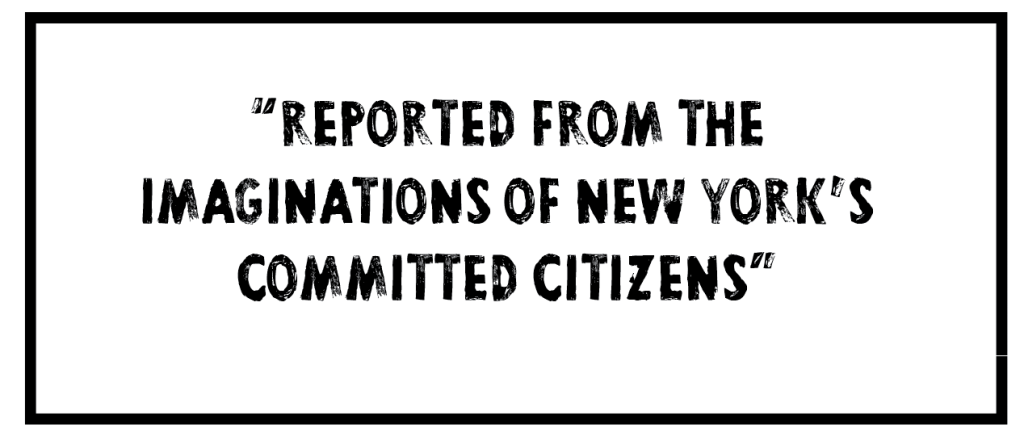


In a once-unthinkable display of bipartisan cooperation, Republicans and Democrats have joined forces to spearhead bold housing legislation. And this time, they’ve managed to save public housing in the state. Among the key figures in this groundbreaking effort are Republican former governor Elise Stefanik and former Representative Nicole Malliotakis, who have emerged as champions for affordable housing despite remaining affiliated with a party long bent on attacking anything publicly funded except for the military.
The pivotal moment came when the Department of Federal Housing and Urban Development (HUD) ended the project-based Section 8 program, known as RAD (Rental Assistance Demonstration), last year. This once-unthinkable move followed the rising renters’ movement, which has seen sometimes violent demonstrations over the last decade as protestors clashed with private and public police over access to unused luxury units. Protesters have charged RAD with responsibility for the disastrous effects of the housing crisis, and Save Section 9, an advocacy group representing public housing tenants city-wide, has been fighting against RAD’s privatization for 25 years. Save Section 9 counts ending RAD as a strategic move, which redirects public housing away from private partnerships and towards a fully public Section 9 model.
In a highly polarized time, what surprised people most was Section 9’s willingness to work with Republicans. Ramona Ferreyra, leader of Save Section 9, met with Republican state leaders such as Elise Stefanik years ago, making the case that public housing should be supported statewide, including rural districts. Stefanik, now recognized as one of the earliest proponents of the initiative, lent her unwavering support, emphasizing the importance of housing affordability in addressing the crisis faced by low-income communities. Similarly, Malliotakis, once representing Staten Island, stood firmly behind the initiative, recognizing the profound impact it would have on her constituents. The expansion of Section 9 not only provides much-needed housing but also fosters multigenerational foundations within low-income communities through support such as unionized labor and other resources.
Save Section 9 counts ending RAD as a strategic move, which redirects public housing away from private partnerships and towards a fully public Section 9 model.
The urgency of the housing affordability crisis has created unique bipartisan spectacles such as the predatory lending hearings, but none is quite as jaw-dropping as the robust bipartisan funding for public housing communities, once derided by Republicans as drug-infested taxpayers’ parasites. As recently as 2025, Congressional Republicans were still presenting legislation to slash HUD’s affordable housing programs. But even though the fight against public housing continues in some quarters, the pressure in the streets has completely changed the dynamics.
As recently as 2025, Congressional Republicans were still presenting legislation to slash HUD's affordable housing programs. But even though the fight against public housing continues in some quarters, the pressure in the streets has completely changed the dynamics.
And now, with the winds in the sails of public housing, as well as the Social Housing Authority’s Ten Billion Dollar shopping spree to buy all kinds of private units for the city, it’s no longer just about preservation—we’re now in expansion. The initial allocation of 20,000 Section 9 units in New York State was only a fraction of what was required. Coalitions on the left are uniting to raise the Faircloth limit, which is the HUD-imposed limit on allowable public housing units, thus signaling a bold shift towards a much more ambitious public housing vision.

“Housing doesn’t have anything to do with political camps,” says Ferreyra. “It’s a human need and right, and when politicians hear that from their constituents, boom! Everyone can very quickly get on the same page. And that’s what happened here.”
And now, with the winds in the sails of public housing, as well as the Social Housing Authority's Ten Billion Dollar shopping spree to buy all kinds of private units for the city, it's no longer just about preservation—we're now in expansion.